
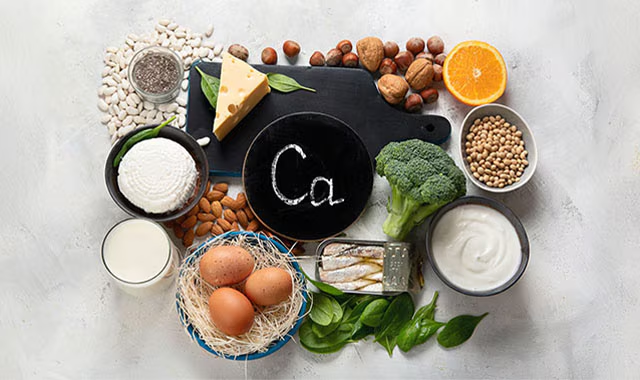
Good bones are crucial for overall health, mobility and quality of life. Bones is what gives the body its shape, protect important organs and stores minerals like calcium and phosphorus. Genetics do affect bone health, but nutrition is one of the most important risk factors for keeping bones strong over a lifetime, or avoiding osteoporosis and fractures. There are many well-researched nutritional approaches that help maintain the strength and density of your bones at any moment.
Ensure Adequate Calcium Intake
Calcium is mainly the mineral in bones, and it plays an important role in keeping bone strong. The body only stops using calcium from bones if it does not find it among the foods eaten within last four to five hours, leading to gradual weakening of bones. Based on age and sex, the daily recommendations for calcium are 1,000–1,200 mg.
This is where diet needs to step up, good food sources of calcium are:
- Milk, yogurt, and cheese
- Fortified plant-based milks
- Tofu made with calcium sulfate
- Kale And Bok Choy: The Dark green leafy vegetables
- Almonds and sesame seeds
- Meaty fish such as sardines and canned salmon with bones
By regularly consuming calcium-rich foods you maintain sufficient levels for bone remodeling.
Get Enough Vitamin D
Vitamin D is important as it helps the body absorb calcium. Despite eating enough calcium, a person can still develop weak bones unless vitamin D is also insufficient. When the skin is directly exposed to sunlight, the body makes vitamin Dhowever, dietary sources are equally essential in order to meet our daily doses of vitamin Despecially if you spend little time outside.
Sources of vitamin D include:
- Fatty fish salmon, mackerel, tuna
- Egg yolks
- Fortified dairy products and cereals
- Vitamin D supplementation as directed by healthcare providers
Optimal vitamin D levels can dramatically boost calcium absorption and bone mineral density.
Include Protein in Your Diet
Protein acts a great portion of bone tissue, and is important to the construction and repair of bone. Since inadequate and excessive protein intake may influence bone health, a balanced approach is the key.
Healthy protein sources include:
- Lean meats and poultry
- Fish
- Eggs
- Dairy products
- Legumes and beans
- Nuts and seeds
Diet with enough protein with adequate calcium can contributing to a strong bone and muscle function supporting preventing fall and fractures.
Consume Bone-Friendly Minerals
There are other minerals that also help in bone health along with calcium. Magnesium helps with the regulation of calcium and plays a structural role in bone, while phosphorus is a key mineral to bone mass and structure. Potassium may prevent calcium loss from bones.
Mineral rich foods include:
- Whole grains
- Nuts and seeds
- Beans and lentils
- Banana, orange and other fruits.
- Green leafy vegetables
Diversity in consuming meals guarantees a consistent delivery of those vital nutrients.
Increase Fruit and Vegetable Intake
Fruits and veggies contain vitamins, minerals, and antioxidants that keep your bones healthy. Vitamin C found in citrus fruits, berries and peppers is essential for collagen creation which is a key protein found in bone tissue. In addition, Antioxidants help to decrease inflammation and oxidative stress that might damage bone health.
Diverse colors in your diet, especially produce contribute to healthy bones and a better quality of life.
Avoid Overdoing on Salt, Sugar and Soft drinks
A high salt diet leaches calcium out through the urine, which in the long term can weaken bones. Overconsumption of sweet foods and soft drinks (especially those that contain phosphoric acid) may adversely affect skeletal health when these foods have displaced more nutritious options.
Eat whole foods, limit processed food intake and drink plenty of water to help protect bone strength.
Maintain a Balanced Lifestyle
Nutrition is best utilized when combined with healthy lifestyle practices. Exercises that involve your weight such as walking, jogging, dancing and strength training promote formation and preservation of bone mass. In addition to maintaining a healthy diet, not smoking and drinking alcohol only in moderation also contribute to strong bones.
Conclusion
You are not designed for maintaining the health of your bones until you die, it is rather an ongoing commitment comprising elements such as proper nutrition and healthy habits. The basis of bone health is sufficient calcium, vitamin D, protein, and other important minerals. Ensuring a diet with lots of fruits, vegetables, whole grains, and lean proteins tailored to physical activity can help maintain bone density and reduce the incidence of osteoporosis or fractures. Through eating a healthy diet, people can keep their bones growing strong and healthy throughout the lifetime.