
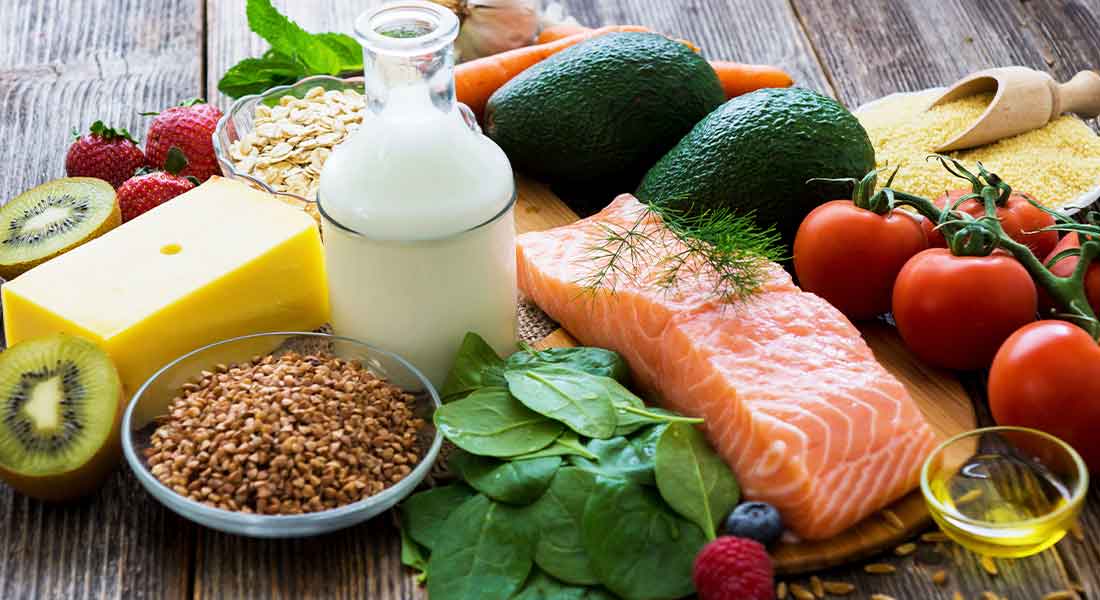
Nutritional needs shift with age. When we age more than the age of 50, a balanced diet can be even more vital. The purpose of reaching there is to keep energy, healthy immune function and normal bone withstand all of which become extra much important after you reach your fifties. You can eat healthy without going on strict diets or fancy meal plans, but rather making smart food choices regularly. Essential healthy eating tips for people over 50.
Prioritize Nutrient-Dense Foods
Because the metabolism by default decreases with time, less calories are needed for energy and in the need of equal or increased intake of essential nutrients. Choose foods such as nuts, seeds, and whole grains that are naturally full of vitamins and minerals but low in fat. Stock up on fruits, vegetables, whole grains, lean proteins, nuts and seeds and low-fat dairy in your daily meals.
Increase Protein Intake
As we age, our muscle mass declines so it is important to continue consuming protein. Getting sufficient protein also supports strength, mobility, and recovery. Fish, poultry, eggs, beans, lentils, tofu animal products and Greek yogurt and lean meats are all good sources of hero protein. Try to have a source of protein at every meal to stay healthy.
Support Bone Health
Bone density naturally declines with age, giving rise to fractured bones and osteoporosis. Meaning Calcium and Vitamin D are some of the building blocks you need for a strong bone structure. Dairy products, fortified plant based milk, green leafy vegetables and canned fish with bones are very good sources of calcium. You get your vitamin D needs met with sunlight exposure and fortified foods, including fatty fish and projected cereals.
Choose Heart-Healthy Fats
Heart disease continues to be a common health problem in the elderly. Eat healthy fats (replace saturated and trans fats with fats from foods such as avocados, olive oil, nuts, seeds and oily fish (salmon, mackerel). These healthy fats can be beneficial in regulating cholesterol levels and therefore aid a positive cardiovascular system.
Eat More Fiber
Fiber in particular becomes even more important with age as digestive health often changes over time. Increasing fiber intake helps constipation, lowers blood cholesterol and blood sugar. Whole grains, fruits, vegetables, beans and legumes most of the time gradually increase fibre intake whilst staying hydrated to keep digestion smooth.
Stay Hydrated
They may not get thirsty as frequently as younger adults, which increases their risk for dehydration. Water is a crucial part of digestion, circulation, and temperature maintenance. Consume water throughout your day, even if you may possibly not feel thirsty. Hydration can also be aided through herbal teas, soups and water componenet fruits and vegetables.
Limit Added Sugar and Sodium
Too much sugar can add pounds and lead to diabetes, too much sodium can raise blood pressure, Look for food labels and select products with lower amount of added sugars and salt. Use herbs, spices, lemon juice or vinegar to flavor foods so you do not depend on salt.
Control Portion Sizes
Since calorie needs can be less at older ages, it is important to consider portion size. To avoid overeating, use smaller plates, occasionally measure out servings and eat slowly. Acknowledge your body only eat when you are hungry and stop when you are full instead to just eating out of habit.
Plan Balanced Meals
Dinner should also consist of vegetables, lean protein, whole grains and healthy fats. This whole combination has tremendous sustaining power as well as an overall health benefit. Cooking more meals at home gives you the ability to control what and how much is in your meals.
Consult Healthcare Professionals
Nutritional needs will vary as per health issues, medications, and lifestyle conditions. Frequent checkups with health care personnel members or registered dietitians accelerate verifying choices composed of diet program and assist any neglect of vitamins that i hope to musical.
Conclusion
Eating for health after 50 is really eating fruits, vegetables, grains and nuts that provide the body with healthy foods to support wellbeing long term. Older people can stay as healthy, strong and independent as possible by eating nutrient-dense foods with adequate protein, the right nutrients for bones, fluids and well-balanced meals. Little-time dietary adjustments can activate important rewards and assist foster a more fit energetic lifestyle.